
How to Sell Surplus Chillers Without Losing Value
A surplus chiller can represent recoverable capital, or it can become an expensive removal problem. The difference usually comes down to timing, documentation, equipment condition, and who manages the work. When organizations sell surplus chillers through a disciplined asset recovery process, they can reduce storage costs, support environmental goals, and keep replacement or shutdown schedules moving without adding unnecessary operational risk.
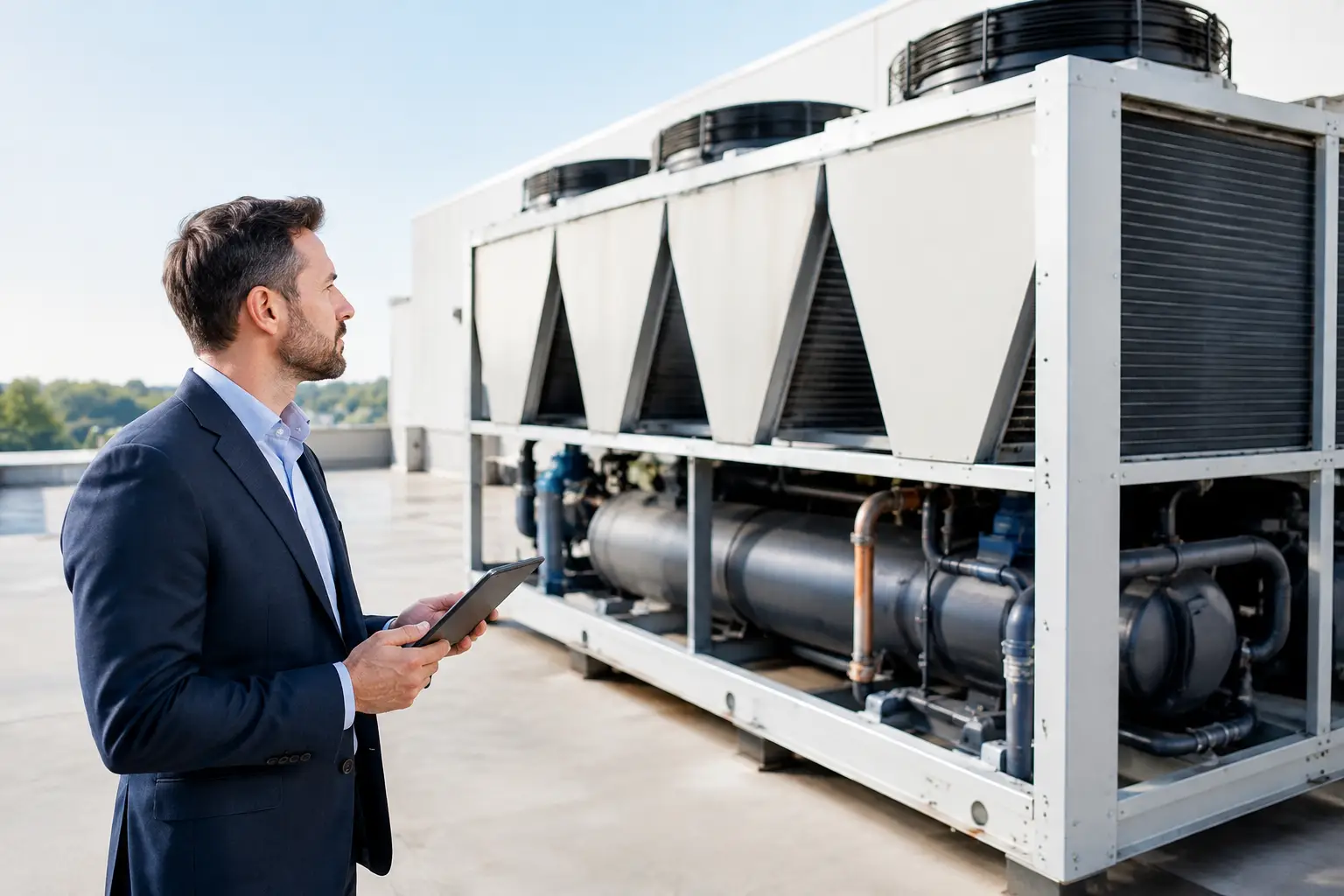
For data centers, manufacturing plants, telecom facilities, utilities, and large commercial sites, chillers are not simple surplus items. They are heavy, regulated mechanical assets with refrigerant, electrical connections, water-side piping, and access constraints. Selling them requires more than posting a model number and waiting for an offer.
Start Before the Chiller Becomes a Problem
The strongest resale opportunities often exist before a chiller is taken offline. Equipment that remains installed, protected from weather, and supported by maintenance records is easier to evaluate and market than a unit that has been disconnected, moved outside, or stripped for parts.
Planning early also gives facility teams options. A buyer may be interested in a complete operating chiller, while another may value compressors, controls, heat exchangers, pumps, or copper-bearing components. Once a unit is damaged during removal or exposed to the elements, the available options narrow and the likely return falls.
This does not mean every operating chiller should be held for resale. If a project has a hard turnover date, limited dock access, difficult rigging conditions, or a building demolition deadline, speed and certainty can matter more than maximizing the last dollar of equipment value. The right path is based on the whole project cost, not only the expected sales price.
Document the Equipment Before Seeking Offers
Accurate information produces faster evaluations and more reliable proposals. A chiller’s nameplate is the starting point, but serious buyers will also need enough context to determine whether the equipment can be resold, refurbished, harvested for parts, or recycled.
Collect clear photographs of the nameplate, controls, compressor section, electrical disconnects, piping connections, and the overall unit. Record the manufacturer, model, serial number, tonnage, voltage, refrigerant type, year of manufacture, configuration, and known operating condition. If available, include maintenance logs, startup records, repair history, and recent performance data.
The site conditions matter just as much as the equipment specifications. Note whether the chiller is air-cooled or water-cooled, located indoors or outdoors, on grade or on a roof, and accessible by forklift, crane, loading dock, or freight elevator. A chiller with favorable access may support a stronger offer than an identical unit trapped in a mechanical penthouse with restricted lift capacity.
Understand What Drives Chiller Resale Value
There is no universal price guide for surplus chillers. Market value depends on a combination of demand, condition, configuration, age, refrigerant, serviceability, and removal cost. Two units with similar tonnage can have very different outcomes.
Equipment with complete records, common voltage, recognizable controls, serviceable compressors, and a refrigerant profile accepted in the resale market generally has more potential. Newer units may appeal to buyers seeking installed capacity, while older equipment may still hold value as a source of usable components or recoverable metals.
Condition claims should be precise. “Operational when removed” is useful only when it is supported by credible records or testing. If the operating status is unknown, say so. Transparent information protects the seller from disputes and allows the recovery partner to price the asset realistically.
Removal expenses are a major factor. Rigging, crane work, refrigerant recovery, electrical isolation, pipe cutting, structural access, freight, and site safety requirements can quickly exceed the value of a lower-demand unit. In those cases, recycling may be the most cost-effective and environmentally responsible solution. A qualified asset recovery provider should explain that trade-off clearly rather than promising resale value that cannot support the project scope.
Build Removal and Compliance Into the Sale Plan
A chiller sale is not complete when a buyer agrees to purchase the unit. The physical removal plan must protect people, the facility, and the project schedule.
Before work begins, establish who is responsible for lockout/tagout coordination, refrigerant recovery, fluid handling, electrical disconnection, rigging, loading, and final site cleanup. Confirm insurance requirements, safety documentation, work hours, access routes, and any permits required by the facility or local authority. For active sites, define how removal activity will be isolated from critical operations.
Refrigerant management deserves particular attention. Refrigerants must be recovered and handled properly by qualified personnel. Venting refrigerant is not an acceptable shortcut, and poor handling can create environmental exposure, safety concerns, and compliance issues. Water treatment chemicals, glycol solutions, oils, and contaminated debris should also be identified before dismantling begins.
For larger projects, a single provider that can purchase equipment, coordinate decommissioning, manage dismantling, and recycle non-resalable materials can reduce handoffs. That structure gives the facility one accountable project partner rather than separate vendors with unclear boundaries.
Choose the Right Disposition Path
Surplus chiller disposition generally falls into four practical paths:
- Resale: Appropriate for units with market demand, credible condition information, and removal costs that support a sale.
- Refurbishment or parts recovery: Useful when a complete unit is not attractive but compressors, controls, coils, pumps, or other components retain value.
- Scrap and material recycling: Often the best route for obsolete, damaged, low-demand, or difficult-to-move equipment.
- Integrated decommissioning: Best for shutdowns, data center refreshes, plant closures, or projects involving multiple asset classes and significant site work.
These paths are not mutually exclusive. A multi-chiller plant may contain one unit suitable for resale, another appropriate for parts recovery, and supporting equipment that should be recycled. Treating every item the same can leave value on the table or create avoidable delays.
Avoid Common Mistakes That Reduce Recovery
Waiting until the last week of a construction schedule is one of the most expensive mistakes. Rushed decisions limit the pool of buyers and may force a facility to accept emergency removal pricing. Early asset review creates time to evaluate demand, coordinate logistics, and decide whether resale proceeds can offset decommissioning costs.
Another mistake is assuming that a chiller’s original purchase price determines current value. Mechanical equipment depreciates according to market need, technology changes, refrigerant considerations, service history, and physical condition. A realistic assessment is more useful than a high estimate that fails once crews arrive on site.
Incomplete scope definition also causes friction. If an offer covers equipment purchase but not crane service, refrigerant recovery, disconnection, freight, or cleanup, the facility may inherit unexpected work. Request a clear scope that identifies what is included, excluded, and required from the site team.
Finally, do not overlook supporting assets. Cooling towers, pumps, air handlers, piping, controls, electrical gear, raised flooring, and backup power equipment may have separate resale or recycling value. Reviewing the full infrastructure package can improve total project economics.
Work With a Recovery Partner That Can Execute
The best asset recovery partner is not simply the party offering the highest number for the chiller. They should have the technical capability, purchasing discipline, safety procedures, logistics resources, and recycling channels to complete the job as promised.
Ask how the provider evaluates equipment, handles refrigerant and regulated materials, verifies removal requirements, and manages equipment that cannot be resold. Confirm that the proposal accounts for access limitations and that the provider can coordinate the labor, rigging, transportation, and downstream disposition required for the project.
Critical Asset Recovery supports organizations that need a practical answer to surplus infrastructure, from individual chillers to full facility decommissioning programs. The goal is straightforward: recover value where the market supports it, recycle responsibly where it does not, and leave the site ready for its next use.
A surplus chiller should not become the item that holds up a replacement project or complicates a facility exit. Start the evaluation while the equipment is still documented and accessible, then choose a disposition plan that matches the asset, the site, and the schedule.