
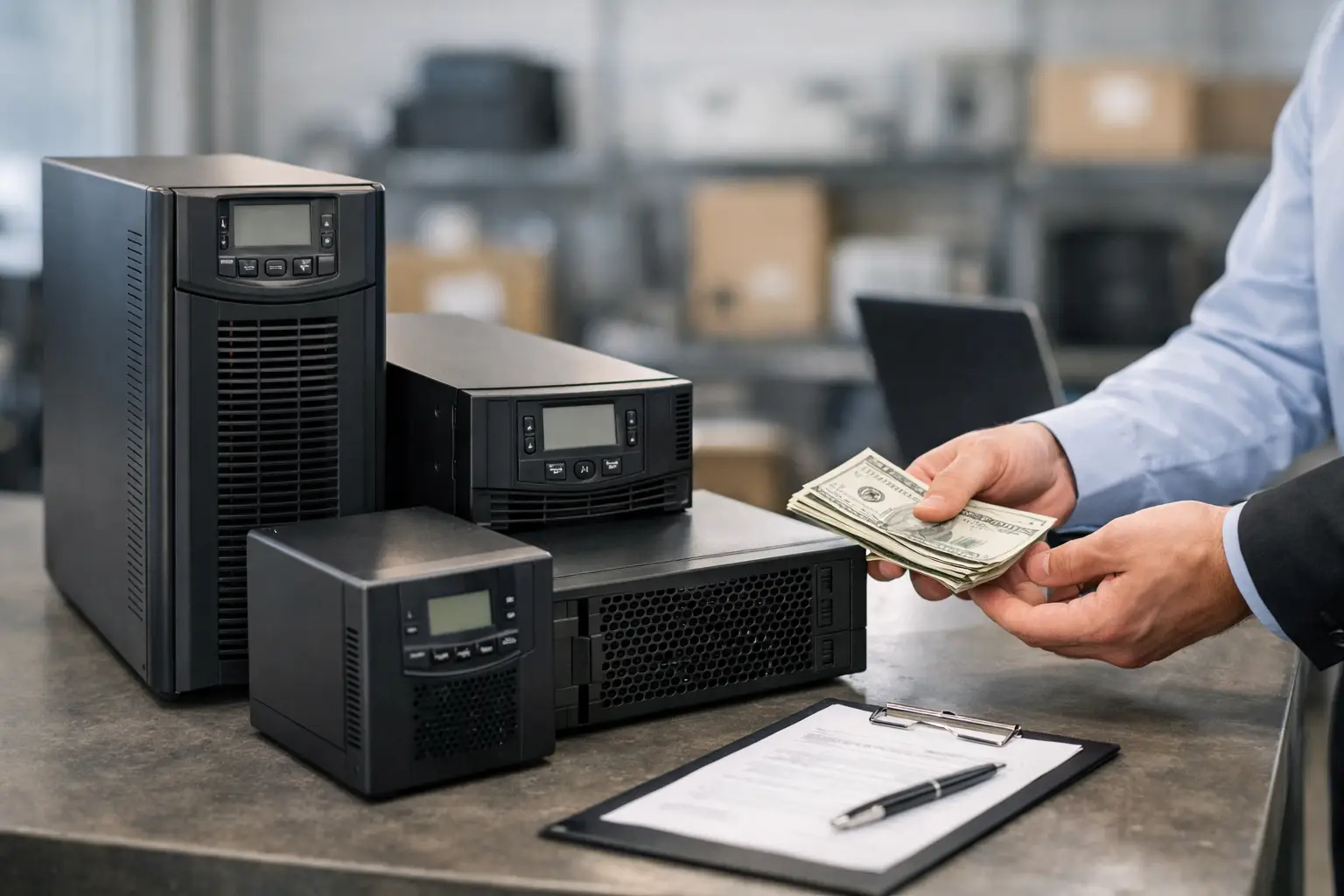
How to Sell Used UPS Systems for Value
A retired UPS rarely leaves the floor cleanly. It is usually tied to battery strings, switchgear, site access limits, shutdown windows, rigging constraints, and disposal rules that can turn a simple asset sale into an operations problem. If you need to sell used UPS systems, the real question is not just who will buy them. It is who can evaluate them accurately, remove them safely, and help you recover value without creating new risk at the site.
For facility teams, this matters most during upgrades, consolidations, lease exits, and decommissioning projects. In those moments, the UPS is not an isolated piece of equipment. It is part of a larger infrastructure environment that may include PDUs, batteries, generators, cooling systems, raised floor, and cabling. The resale value of the unit matters, but so do timing, documentation, labor coordination, and environmental handling.
When it makes sense to sell used UPS systems
Organizations usually decide to sell after a replacement project, a facility closure, or a change in critical load strategy. A data center may be moving from one UPS topology to another. A telecom site may be standardizing equipment across multiple locations. A manufacturing plant may be retiring surplus backup power assets after process changes or expansion.
In each case, there is often recoverable value left in the equipment. That value depends on age, manufacturer, model, kVA rating, service history, physical condition, and whether the system is complete. Complete systems with matching components, documented maintenance, and controlled shutdown history typically attract stronger offers than stripped or partially damaged units.
Still, resale is not automatic. Some older UPS systems have limited secondary market demand because of parts availability, outdated controls, or battery condition. In those cases, the better path may be a combined recovery approach where reusable components are reclaimed and the balance is recycled responsibly.
What buyers look at before they make an offer
A serious buyer will not price a UPS on nameplate alone. They will want to understand what they are actually taking on from a removal, refurbishment, and resale standpoint.
Age is one factor, but not the only one. A well-maintained unit from a recognized manufacturer may still have value even if it is not current-generation equipment. On the other hand, a newer unit with water exposure, missing internals, or poor service history can be worth less than expected.
Configuration also matters. Buyers look at whether the system is modular or monolithic, hardwired or skid-mounted, indoor or outdoor rated, and whether it includes associated components such as battery cabinets, static bypass sections, maintenance bypass, transformers, or monitoring interfaces. If those items are available and documented, the package is easier to remarket.
Removal conditions affect pricing just as much as equipment condition. If the UPS is in a constrained mechanical room, on an upper floor, behind active infrastructure, or tied to a narrow shutdown window, the labor and risk profile change. In practical terms, difficult access can reduce net recovery value even when the equipment itself is desirable.
How to prepare a UPS asset for sale
The fastest way to slow down a transaction is incomplete information. Before you market equipment or request an offer, gather the details that let a buyer assess both value and project scope.
Start with manufacturer, model number, serial number, kVA rating, voltage, approximate age, and service records if available. Include photos of the exterior, interior if safely accessible, nameplates, control screens, battery cabinets, and the surrounding room. It also helps to note whether the unit is still installed, whether it is energized, and whether batteries are included.
You should also define the scope of what needs to happen at the site. Some sellers only want the asset purchased. Others need full decommissioning, electrical disconnect, rigging, removal, palletizing, freight coordination, and recycling of associated materials. Being clear up front avoids mismatched bids and change orders later.
If your project includes batteries, handle that as a separate but related issue. Battery chemistry, age, condition, and regulatory requirements can change the economics quickly. In many projects, the UPS cabinet has resale potential while the batteries are managed through compliant recycling channels.
The trade-off between highest price and easiest execution
Facility teams often assume the best deal is simply the highest purchase number. In real projects, that is not always true.
A higher offer from a buyer that does not handle deinstallation, freight, or environmental obligations can leave the seller managing multiple vendors and hidden costs. Rigging, electrical labor, permits, recycling, and packaging can erase the difference quickly. Worse, poor execution can disrupt adjacent operations or create safety exposure.
A lower headline offer from a qualified recovery partner may produce a better net result if it includes dismantling, coordinated removal, and responsible downstream handling. That is especially true in live environments where schedule discipline and site protection matter more than squeezing out every last dollar from the equipment.
This is why many organizations prefer a full-service model. It reduces vendor handoffs and places accountability for the asset, the labor, and the final disposition under one scope. For data centers, plants, and telecom facilities, that simplicity has real operational value.
Sell used UPS systems without creating compliance problems
UPS retirement projects sit at the intersection of electrical safety, heavy equipment handling, and environmental responsibility. If any part of that chain is handled casually, the seller can inherit avoidable problems.
The biggest issues tend to involve batteries, refrigerants in adjacent systems, fluids, scrap handling, and undocumented disposal. Even when the UPS itself is marketable, not every associated component can or should enter the resale stream. A disciplined recovery process separates reusable assets from materials that require certified recycling or disposal.
Documentation matters here. Asset inventories, serial tracking, bills of lading, recycling records, and scope confirmation help demonstrate that equipment was removed and processed responsibly. For companies managing internal sustainability targets or lease-close obligations, that paper trail is often just as important as sale proceeds.
This is one area where experience shows. An industrial recovery partner should understand how to work around site rules, lockout requirements, loading constraints, and hazardous material protocols without slowing the project or improvising in the field.
Why timing affects resale value
Waiting too long can reduce options. Once a UPS sits disconnected for an extended period, stored poorly, or exposed to dust and moisture during demolition, its resale profile weakens. Missing documentation, missing modules, and unprotected handling during tear-out also hurt value.
The best time to evaluate a sale is before the replacement or closure project begins. Early planning allows time to inspect the equipment, confirm scope, align shutdown windows, and decide whether the asset should be sold intact, refurbished, or recycled for material recovery.
Timing also matters from a market perspective. Demand for certain UPS models can shift depending on parts availability, active service fleets, and buyer interest in secondary equipment. A prompt, informed sale usually creates more paths to recovery than a last-minute disposal decision.
What a strong recovery partner should provide
If you are selecting a company to buy or remove your UPS system, look beyond basic purchasing. The right partner should be able to assess market value realistically, define site scope clearly, and execute removal without creating operational friction.
That means understanding mission-critical environments, not just used equipment pricing. It means knowing how to coordinate with facility teams, electricians, and riggers. It means having a path for resale when equipment is viable and a responsible recycling path when it is not.
For many sellers, nationwide coverage also matters. Multi-site portfolios, regional closures, and standardized equipment upgrades often require a provider that can work consistently across different locations. Critical Asset Recovery supports that kind of work by combining equipment purchasing with decommissioning, recycling, and removal services under one operational model.
A practical way to approach your next UPS sale
The best UPS sales start with a straightforward assessment. What equipment is in place, what condition is it in, what else is attached to the project, and what outcome matters most – maximum resale, fastest clearance, lowest risk, or all three in balance.
From there, the right path becomes clearer. Some systems should be sold intact. Some should be removed as part of a broader site decommissioning scope. Some have limited resale value and are better handled through component recovery and recycling. There is no single formula, and that is exactly why experience matters.
If you need to sell used UPS systems, treat the job as an asset recovery project, not a scrap decision. Done correctly, you can recover value, protect the site, meet environmental expectations, and keep the larger transition moving without unnecessary delays. A good outcome is not just getting the equipment out. It is getting it out with control.