
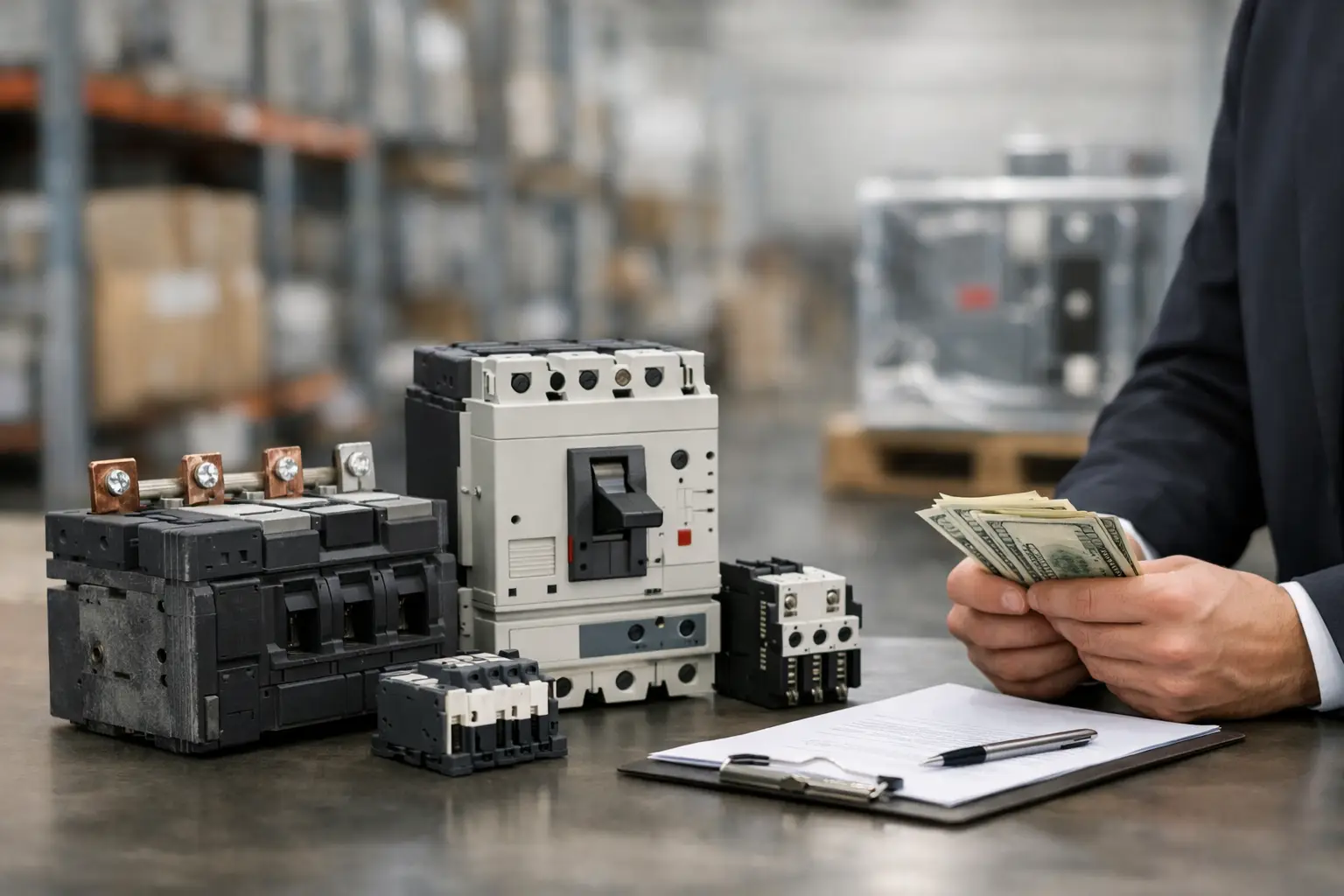
How to Sell Used Switchgear for More Value
A lineup of retired switchgear can sit on a floor for months while a project team decides whether it is scrap, surplus, or resale inventory. That delay usually costs money. If you need to sell used switchgear, the best returns come when the equipment is evaluated early, documented correctly, and removed through a recovery plan that matches the site, the age of the gear, and the market.
Switchgear is not a simple commodity. Value depends on electrical ratings, manufacturer, model, condition, service history, arc flash considerations, removal complexity, and whether the gear can be reused in another facility. In many cases, the bigger financial mistake is not selling too low. It is treating reusable equipment like waste and paying to remove value from your own site.
When it makes sense to sell used switchgear
Most facility teams start looking at resale during a shutdown, expansion, modernization, or emergency replacement. Data centers upgrade capacity. Manufacturers retire older distribution rooms. Utilities and telecom operators replace aging infrastructure to meet reliability or safety goals. In each case, the question is the same: is the existing switchgear still an asset?
Often, the answer is yes, but only if the decision is made before the equipment is damaged during demolition or stripped of the components buyers care about. Main breakers, relays, bus sections, control assemblies, and OEM labels all affect resale potential. Once those are missing, the value can fall quickly from resale-grade equipment to parts recovery or scrap.
That is why timing matters. If your team waits until the last week of a decommissioning project, you may still be able to move the gear, but the field conditions are usually worse. Access is tighter, documentation is incomplete, and removal crews are under schedule pressure. Early assessment creates more options and usually produces a cleaner result.
What buyers look for when they buy or sell used switchgear
If you want to sell used switchgear at a fair market price, think like a buyer. Buyers are trying to answer three questions: what is it, what condition is it in, and what will it take to remove, transport, inspect, and place it back into service.
Identification comes first
The most basic information carries a lot of weight. Buyers need the manufacturer, model number, voltage, amperage, interrupting rating, section lineup details, and serial information. Good nameplate photos matter. So do one-line diagrams, maintenance records, test reports, and retrofit history when available.
Without this information, valuation becomes conservative. A buyer may still make an offer, but they will price in uncertainty. In a market where lead times for replacement gear can create demand for used equipment, strong documentation can be the difference between a resale transaction and a scrap offer.
Condition is more than appearance
Cosmetic condition matters less than electrical and mechanical integrity, but visible signs still influence value. Evidence of overheating, moisture, corrosion, damaged insulation, missing covers, field modifications, or incomplete sections will affect pricing. Gear that is clean, intact, and properly disconnected generally sells better than gear left exposed during construction activity.
The service history also matters. Older gear may still be marketable if it came out of a controlled indoor environment and received routine maintenance. Newer gear can still lose value if it was exposed to fault events, poor environmental conditions, or incomplete shutdown procedures.
Removal difficulty affects the offer
A buyer is not only purchasing equipment. They are inheriting removal risk. Gear on a ground floor with clear access is easier to value than gear in a live facility, basement electrical room, rooftop penthouse, or secure telecom site with limited rigging paths. If a project requires after-hours work, special permits, crane picks, shutdown coordination, or extensive demolition, those costs directly affect net recovery.
How to prepare switchgear for sale
The best switchgear transactions are organized before the first wrench turns. Preparation does not need to be complicated, but it does need to be disciplined.
Start with an inventory. Document each lineup, section, breaker, and major component. Photograph the front, rear if accessible, interior compartments, nameplates, and surrounding access conditions. If maintenance records and test data exist, gather them early.
Next, define the scope. Are you selling equipment in place, or do you need a buyer who can also disconnect, dismantle, load out, and haul away the gear? Many organizations underestimate the labor and safety planning required to remove large electrical infrastructure. A sale price can look attractive until separate removal costs erase the gain.
Then consider the shutdown plan. Some projects allow for clean de-energization and staged removal. Others happen under outage pressure or during active facility work. The more clarity you provide about timing, access windows, and site conditions, the more accurate and competitive the offers tend to be.
Sell used switchgear or scrap it?
This is where experience matters. Not every lineup should go back into service, and not every old assembly belongs in a scrap bin.
If the gear has strong manufacturer demand, usable ratings, intact sections, and a known history, resale usually deserves serious consideration. If the equipment is obsolete, damaged, incomplete, contaminated, or too costly to remove intact, recycling may be the better route. Sometimes the highest return comes from a hybrid approach where select breakers, parts, or copper-bearing components are recovered separately while the balance goes to scrap.
The right answer depends on age, brand, application, market demand, and site logistics. A practical recovery partner should be able to tell you when resale makes sense and when it does not, instead of forcing every project into one model.
Why full-service recovery changes the outcome
For many facility owners, the real problem is not finding a buyer for switchgear. It is managing the entire chain of work around it. Isolation, lockout, dismantling, rigging, trucking, environmental handling, and site cleanup all sit around the asset value discussion.
That is where a full-service approach tends to outperform a simple equipment bid. When one provider can evaluate the gear, purchase what has resale value, remove it safely, recycle what cannot be reused, and leave the site ready for the next phase, the project becomes easier to control. There are fewer handoffs, fewer schedule gaps, and fewer disputes about who owns what part of the work.
This is especially relevant in data centers, substations, industrial plants, and telecom facilities where electrical infrastructure sits inside complex operating environments. The cheapest bid on paper is not always the lowest-cost outcome if it creates delays, safety exposure, or cleanup issues later.
Common mistakes that reduce switchgear value
The first mistake is waiting too long. Once demolition starts, reusable equipment is often exposed to avoidable damage.
The second is poor documentation. If no one can verify ratings, model details, or maintenance history, buyers price defensively.
The third is separating asset recovery from removal planning. Selling gear without a realistic plan for disconnect, access, and transportation can create more operational friction than value.
Another frequent issue is assuming all switchgear has the same market. It does not. Some assemblies move quickly because replacement lead times and installed bases create demand. Others have little reuse appeal beyond parts or metals recovery. Market knowledge matters.
Choosing the right partner to sell used switchgear
If your project involves more than a single breaker or small panelboard, the right buyer should look more like an operational partner than a broker. You want a company that understands electrical infrastructure, can assess resale versus recycling honestly, and has the field capability to execute removals safely.
Ask direct questions. Can they buy in place? Can they handle dismantling and transportation? Do they work nationally? Can they support decommissioning schedules and site-specific safety requirements? Do they recycle responsibly when equipment is not reusable? The answers tell you whether they are built for industrial recovery or simply shopping for inventory.
Companies such as Critical Asset Recovery are often brought in for this reason. The value is not only in purchasing equipment. It is in combining asset recovery with decommissioning, removal, and environmentally responsible disposition under one scope.
What a better switchgear sale looks like
A better process is straightforward. The gear is identified correctly. The scope is clear. Site conditions are understood. Equipment with resale potential is preserved and removed professionally. Non-reusable material is recycled responsibly. The facility team gets value recovery, a cleaner closeout, and fewer moving parts to manage.
That outcome is rarely accidental. It comes from treating switchgear as both an electrical asset and a field project.
If you are planning an upgrade, shutdown, or site closure, do not wait until the gear is just another line item on a demolition list. Evaluate it early, protect what still has value, and structure the project so recovery, removal, and compliance work together from the start.