
How to Choose Industrial Rigging Contractors
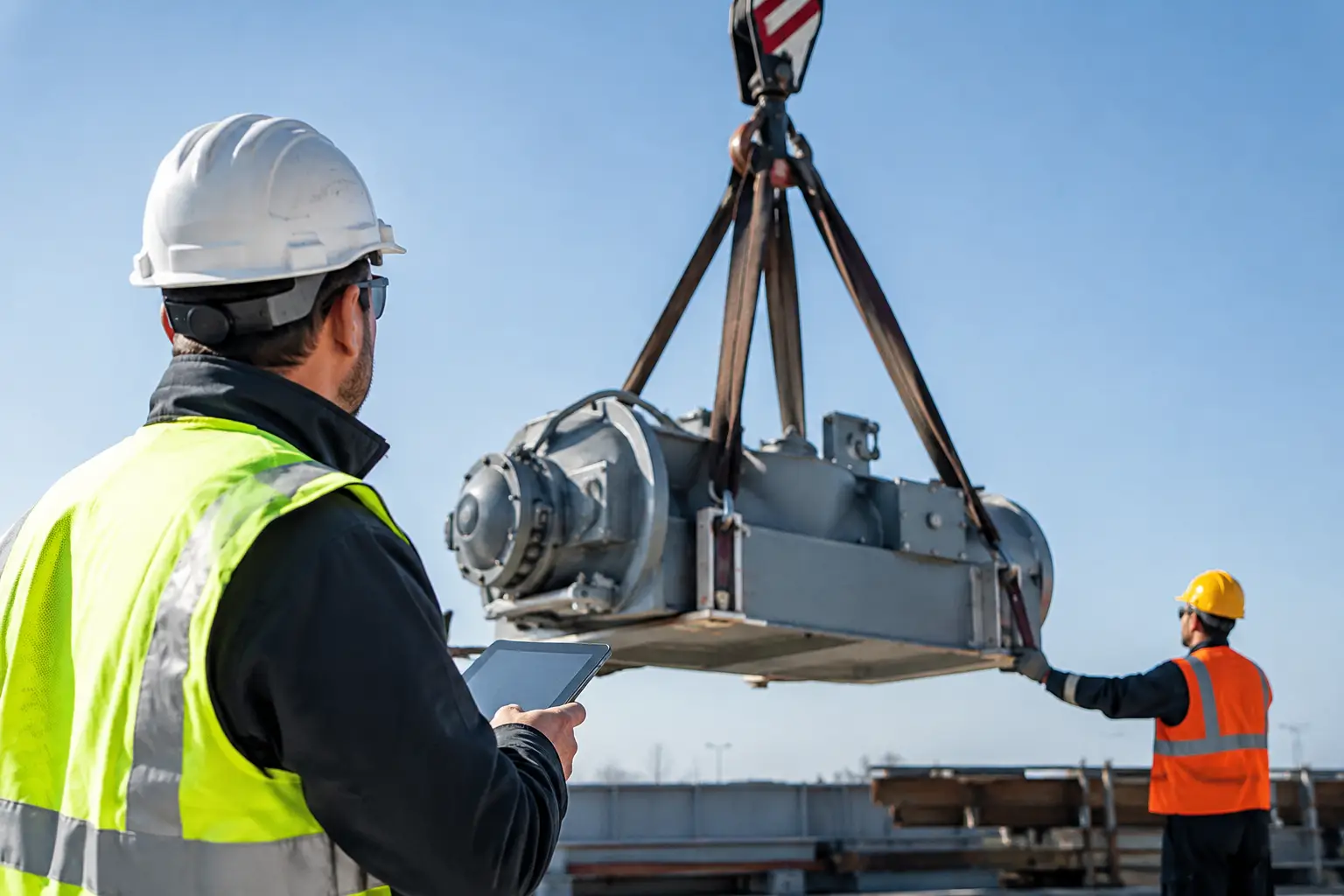
A 40,000-pound generator cannot be treated like a freight delivery. It may sit beneath live electrical paths, beside operating cooling systems, or inside a facility with narrow access routes and limited shutdown windows. Industrial rigging contractors bring the lifting expertise, planning discipline, and field coordination required to remove, relocate, or install heavy equipment without turning a scheduled project into an operational disruption.
For data centers, manufacturing plants, telecom sites, utility facilities, and industrial properties, rigging is often one part of a broader asset retirement or infrastructure upgrade. The right contractor does more than provide cranes, forklifts, and labor. They help define the work sequence, control risk, protect the site, and keep equipment moving toward its next destination – whether that means reuse, resale, recycling, or final disposition.
What Industrial Rigging Contractors Actually Do
Industrial rigging is the controlled movement of heavy, oversized, or sensitive equipment using specialized lifting and transport methods. The work can include equipment removal, internal relocation, loading, unloading, setting new equipment, plant shutdown support, and demolition-related extraction.
A capable rigging team assesses the equipment weight, dimensions, center of gravity, connection points, access path, floor loading, overhead clearance, and required lifting configuration before work starts. That planning matters because a generator, UPS system, chiller, switchgear lineup, transformer, or battery string may be heavy, awkwardly balanced, and connected to surrounding infrastructure that must remain protected.
The scope is not always a major crane lift. In many facilities, the harder work happens indoors. Skates, gantries, chain falls, hydraulic jacks, specialized dollies, and controlled machinery moving techniques may be necessary to navigate corridors, loading docks, roof openings, raised floors, or confined equipment rooms. The correct approach depends on the asset, the site, and the operational constraints.
Start With the Project Outcome, Not the Lift
A frequent mistake is treating rigging as an isolated purchase. A facility team identifies equipment that needs to move, requests a price for labor and lifting equipment, and discovers later that the scope did not include disconnection, packaging, loading, transportation, downstream recycling, or restoration of the space.
Before selecting a provider, define what success looks like. Is the objective to clear a room for a new installation? Retire a legacy data center? Sell surplus power equipment? Remove machinery from a closing plant? Recover reusable materials while keeping disposal costs controlled? These answers affect how the project should be planned and who should manage it.
For example, an emergency generator with resale potential requires different handling than obsolete switchgear being processed for recycling. The first may need documented removal, protected storage, careful loading, and market evaluation. The second may require dismantling, segregation of recoverable metals, and compliant handling of associated components. A contractor that understands the full asset disposition process can align the rigging plan with the equipment’s intended outcome from day one.
Evaluate Safety Planning Before Mobilization
Heavy equipment work carries real consequences. The quality of a contractor’s pre-job process is often a better indicator of performance than the size of its equipment fleet. Ask how the team develops lift plans, identifies hazards, confirms site conditions, and communicates responsibilities with facility personnel.
A credible plan should address equipment weights and pick points, travel paths, crane or lifting-device capacity, ground or floor conditions, overhead obstructions, exclusion zones, weather exposure for exterior work, and emergency procedures. It should also identify which systems must be isolated before removal. In mission-critical environments, a rigging crew may work near energized equipment, active cooling loops, fuel systems, battery plants, or fire suppression infrastructure. Clear boundaries and sequencing are essential.
Safety documentation alone is not enough. The field supervisor must have the authority to pause work when actual site conditions differ from the plan. Buildings rarely match old drawings perfectly. A blocked access route, an undocumented conduit, or a floor condition that changes load assumptions can require an immediate adjustment. Reliable contractors respond with discipline rather than improvisation.
Confirm Experience With Your Equipment and Facility Type
Not all heavy equipment moves present the same challenges. A contractor experienced in structural steel erection may not be the right fit for removing a UPS module from an operating data center. Likewise, a general moving company may not have the tools or procedures needed for industrial machinery, substations, or large cooling assets.
Look for experience that is relevant to the equipment and environment involved. For mission-critical facilities, that may include generators, UPS systems, battery cabinets, switchgear, PDUs, chillers, CRAC units, fuel systems, raised flooring, and fire suppression equipment. For industrial operations, it may include processing lines, pumps, tanks, compressors, manufacturing equipment, and electrical distribution assets.
Relevant experience improves more than lifting performance. It helps the crew anticipate disconnection needs, component fragility, fluid management, access limitations, and the documentation required for asset recovery or environmental reporting. It also reduces the time spent educating a new vendor on site rules and equipment-specific concerns.
Define Scope Boundaries in Writing
Rigging proposals can look comparable until the project starts. One quote may cover only the lift, while another includes equipment preparation, disconnection coordination, crating, trucking, debris removal, and final site cleanup. The lower initial number is not always the lower project cost.
The scope should clearly state who is responsible for electrical and mechanical disconnects, fluid draining, refrigerant recovery, battery handling, equipment disassembly, permits, traffic control, crane setup, loading, freight coordination, and cleanup. It should also identify what happens to removed assets. Are they being returned to the owner, transported to another site, purchased for reuse, or recycled?
Clarify schedule expectations as well. A facility may allow only a weekend outage, an overnight loading window, or staged removal around live operations. Contractors should be able to explain staffing levels, anticipated duration, critical path activities, and contingency planning. A vague schedule creates avoidable pressure when the site is already managing construction, replacement equipment, and internal stakeholders.
Consider Value Recovery Alongside Removal Costs
Retired industrial equipment is not automatically scrap. Generators, UPS systems, switchgear, chillers, transformers, and other facility-support assets can retain resale value depending on age, condition, manufacturer, maintenance history, and market demand. Even when whole-unit resale is not practical, recyclable metals and components may offset part of the removal expense.
This is where a full-service asset recovery partner can change the economics of a project. Instead of paying separate vendors for rigging, demolition, trucking, equipment sales, and recycling, facility owners can work through one coordinated scope. That structure can reduce handoffs, simplify accountability, and provide a more complete picture of the financial outcome.
Value recovery is not guaranteed, and responsible providers should be direct about that. Equipment with contamination, missing components, severe damage, obsolete technology, or difficult transportation requirements may have limited market value. Still, an early evaluation helps owners make informed decisions before equipment is cut apart or discarded.
Ask How Environmental Responsibilities Are Managed
Decommissioning work often involves materials that require careful handling. Batteries, oils, fuels, refrigerants, electronic components, fire suppression agents, and certain legacy materials cannot be treated as ordinary debris. The rigging process must connect to an appropriate downstream plan for removal, storage, recycling, and documentation.
Environmental responsibility also includes avoiding unnecessary waste. Equipment that can be refurbished or reused should be evaluated before it enters a scrap stream. Materials that cannot be reused should be separated for responsible recycling whenever practical. This approach supports sustainability goals while also recognizing that recovered materials have economic value.
Critical Asset Recovery approaches complex removals with this broader view in mind: move the asset safely, assess its remaining value, and direct it toward resale, reuse, or responsible recycling. For owners managing a large facility transition, that integrated approach can be more practical than coordinating disconnected service providers.
Select a Partner That Can Execute Under Real Conditions
The best industrial rigging contractors are measured by how they perform when access is tight, schedules shift, and equipment does not behave exactly as expected. They communicate early, document the scope, protect the facility, and maintain control from the first site walk through final loadout.
Price matters, but the lowest bid can become expensive when it excludes critical work, creates schedule delays, or leaves the owner responsible for unresolved materials. Choose a contractor that understands your equipment, can coordinate the full work sequence, and is prepared to stand behind the project outcome. Heavy assets may only move once, so the planning and accountability behind that move should be built to last.