
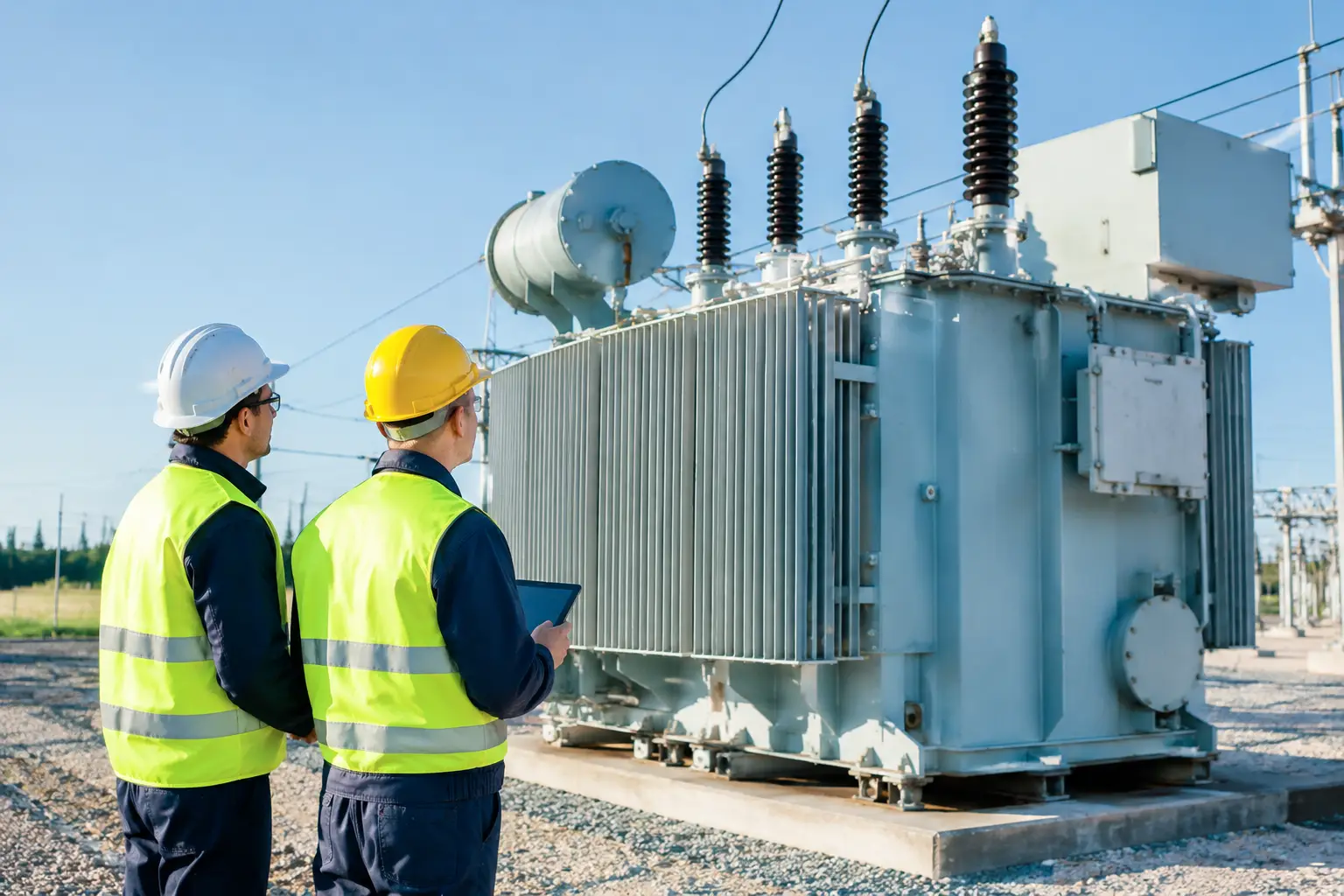
Transformer Removal Process Steps That Reduce Risk
A transformer may look like a single asset on a site plan, but its retirement often affects electrical distribution, utility coordination, environmental compliance, rigging access, and shutdown schedules at the same time. A disciplined transformer removal process protects people, keeps the project moving, and determines whether recoverable equipment and materials become value or unnecessary disposal cost.
For facility owners, plant managers, and infrastructure teams, the objective is not simply to get an old transformer off the property. The objective is to leave the site safe, documented, ready for the next phase of work, and free of unmanaged environmental liability.
Start With a Site-Specific Removal Plan
The removal plan should begin before equipment is disconnected. Teams need to confirm the transformer type, voltage class, weight, dimensions, location, access path, lifting points, and connection method. A pad-mounted unit outdoors presents a very different scope than a dry-type transformer inside a multistory facility or an oil-filled unit located in a constrained substation.
The condition and ownership status of the equipment also matter. Some transformers may have resale or refurbishment potential, particularly when they are newer, properly maintained, and supported by available test records. Others are best routed to material recovery because of age, damage, contamination, or market demand. Making that determination early helps align the removal method with the expected value of the asset.
A complete site walk should identify clearance restrictions, overhead obstructions, underground utilities, floor loading limits, gate access, staging areas, and truck availability. It should also establish whether crane lifts, forklifts, skates, machinery movers, or specialized rigging will be required. Assumptions made from drawings alone can create expensive changes once a crew arrives on site.
De-Energize, Isolate, and Verify
No removal work should begin until the transformer has been taken out of service under an approved electrical safety procedure. The responsible electrical authority should coordinate the shutdown, isolate all incoming and outgoing sources, apply lockout/tagout controls, and verify the absence of voltage using appropriate testing practices.
Transformers can retain energy through associated switchgear, capacitors, control circuits, and backfeed sources. A facility with generators, UPS systems, solar equipment, or multiple utility feeds requires especially careful review. The removal contractor must understand the boundaries of the work, but the site owner and qualified electrical personnel must also clearly establish who controls the outage and who authorizes each step.
Cable identification is equally important. Before conductors are disconnected, document terminations, label cables, and determine whether any circuits must remain in place for future equipment installation. In retrofit projects, preserving usable feeders or avoiding damage to adjacent live systems may be more valuable than the retired transformer itself.
Manage Oil, PCBs, and Environmental Exposure
Oil-filled transformers require environmental planning that begins with testing and documentation. The dielectric fluid should be evaluated for PCB content when applicable, and the disposal or recycling path must match the test results and governing requirements. Do not treat unknown oil as routine waste.
Even non-PCB mineral oil needs controlled handling. Crews should stage spill-response materials, use suitable containment, and establish a transfer plan before opening drains or fittings. A small release can delay a project, create cleanup obligations, and complicate site closeout.
Dry-type transformers eliminate the oil-management portion of the scope, but they still contain recoverable copper, aluminum, steel, and electrical components. Older units may also have coatings, insulation, or other materials that require evaluation before processing. The right downstream recycling approach protects the environment while providing an accurate record of where materials went.
Plan the Lift Around Real Conditions
Transformer weights are often underestimated, especially when the nameplate information is incomplete or the unit has accessories that are not reflected in the original data. Radiators, conservators, bushings, external cabinets, cable terminations, and oil volume can materially change lifting weight and center of gravity.
A qualified rigging plan should account for verified weight, pick points, sling angles, crane capacity at the required radius, ground conditions, travel route, and final loading method. If a transformer must move through a building, the plan should also address door openings, turning clearances, slab capacity, elevator limitations, and protection for finished surfaces or operating equipment.
There is no single best removal method. A direct crane pick may be efficient for an exterior transformer with clear access. In a crowded industrial plant or data center, a staged approach using machinery skates, hydraulic jacks, and controlled transport may be safer and less disruptive. The correct choice depends on site constraints, not just the size of the transformer.
The Transformer Removal Process in the Field
Once safety controls, environmental measures, and logistics are in place, the physical work can proceed in a controlled sequence. The field scope commonly includes disconnecting and securing conductors, removing ancillary equipment, draining fluid when required, preparing the unit for rigging, transporting it to a staging area, and loading it for recovery or recycling.
Careful sequencing reduces exposure and prevents rework. For example, removing radiators or external components may improve access and reduce lift weight, but it also creates more individual items to track and package. Leaving a unit intact can simplify inventory, yet it may exceed transport dimensions or available lifting capacity. The project team should select the approach that best balances safety, schedule, and total cost.
For facilities that remain operational, work zones should be separated from active traffic and critical equipment. Crews need a clear communication plan for lift windows, truck movements, alarms, fire lanes, and emergency access. These details are operational necessities, not paperwork.
Recover Value Before Declaring It Scrap
Transformer disposition should be based on condition, marketability, and project economics. A transformer that is no longer useful at one facility may still have value for refurbishment, resale, parts recovery, or reuse in a less demanding application. Nameplate details, maintenance history, oil test data, photos, and physical condition all help support an informed valuation.
When resale is not practical, material recovery remains meaningful. Copper or aluminum windings, steel enclosures, radiators, cores, and other components can be separated and recycled through appropriate channels. This approach reduces landfill dependence and can offset a portion of removal costs.
Critical Asset Recovery evaluates both sides of this equation: the field work required to remove infrastructure safely and the realistic recovery value of the equipment and materials. That combined approach helps clients avoid fragmented scopes where one vendor removes the asset and another handles its disposition with limited accountability.
Document Closeout for Compliance and Future Work
The job is not complete when the truck leaves. A proper closeout package should confirm what was removed, how it was handled, and the condition of the area left behind. It should include equipment identification, weights or quantities when available, fluid test results, recycling or disposal records, photographs, and documentation of any remaining site conditions.
This record supports environmental reporting, internal asset retirement, insurance requirements, and future construction planning. It also gives operations teams confidence that abandoned conductors, oil residue, pads, foundations, and ancillary components have not been overlooked.
If a replacement transformer is planned, the removal scope should end with the site ready for the next contractor. That may mean leaving the pad intact, protecting feeders, removing obsolete foundations, or clearing the entire area for new civil and electrical work. Defining that endpoint before mobilization prevents disputes and schedule gaps.
A transformer retirement is easiest to manage when removal is treated as an engineering, safety, logistics, and environmental task from the start. With the right planning, an aging transformer can leave the site without compromising operations, compliance, or the value still contained in the asset.